
Ministry of Public Security; INTERPOL, State Securities Commission, ACB; Chống Lừa Đảo, Upbit, VerifyVASP, Recoveris, zeroShadow

Training on investigatingcrypto-assets

A 1-day training on collecting evidence, analysing blockchain data, and tracing and recovering crypto-assets, with 7 specialist sessions, an interactive quiz and a group exercise.

About the training

Investigative skills, evidence collection, blockchain data analysis, tracing and recovery of crypto-assets in criminal cases

Use blockchain data and electronic evidence in investigations to:

  • Trace the movement of crypto-assets
  • Identify the service providers and people involved
  • Preserve evidence and recover assets in accordance with the law
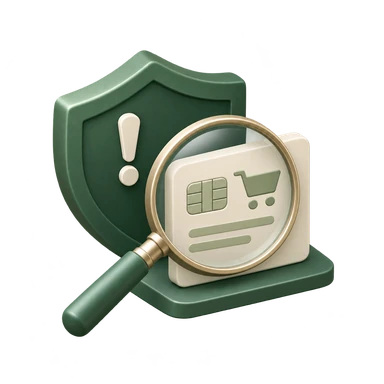
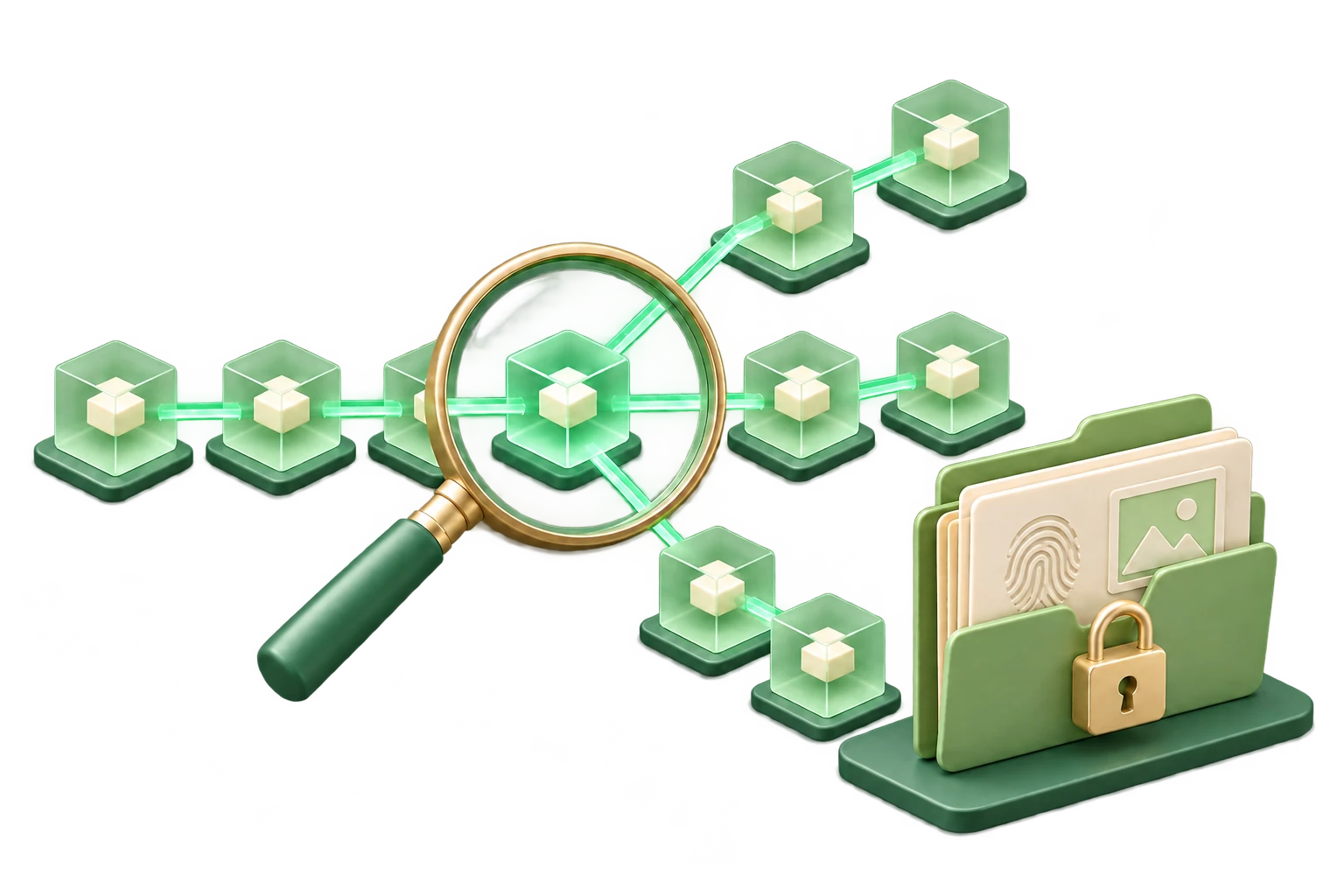
Illustration of a magnifying glass tracing blockchain transactions beside a secured evidence folder

The numbers tell the story

Cryptocurrency-related losses

Doubled in just 2 years

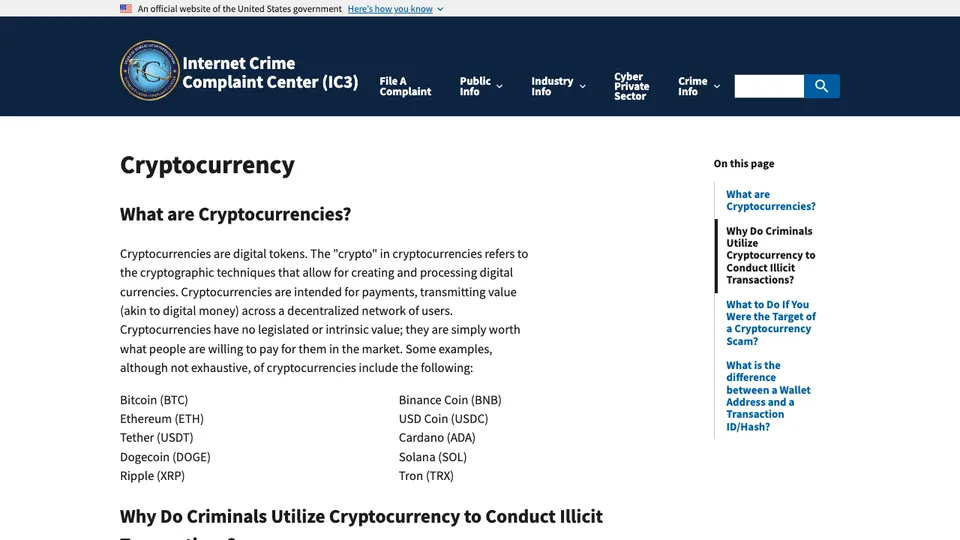
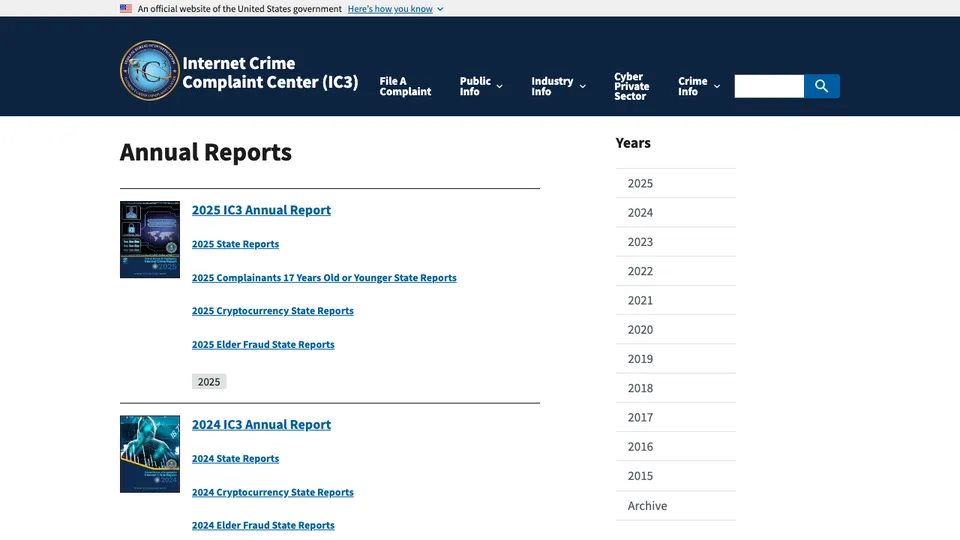
FBI IC3 reports
  • ≥ US$14 billion

    flowed into crypto scams in 2025, and the final figure could exceed US$17 billion.

    Chainalysis
  • 84%

    of fraud inflows in TRM's verified 2025 data were stablecoins such as USDT.

    TRM Labs
  • 48 hours

    is often all it takes for fraud networks to move funds onward, narrowing the window to freeze them.

    TRM Labs

7 training modules

ModuleModule content
Module 1

Fundamentals of tracing on the Blockchain platform

Ngô Minh Hiếu (Hiếu PC)

Module 2

The legal framework and points to watch in investigating, collecting evidence and recovering crypto-assets

Tô Trần Hòa

Module 3

The view from a virtual-asset service provider (VASP)

Upbit

Module 4

Issues in collecting material from cross-border service providers

Senior Colonel Đinh Thị Thu Thủy

Module 5

Information transfer rule (Travel Rule)

VerifyVASP

Module 6

Prevention and incident response

zeroShadow

Module 7

Freezing, seizure and asset recovery

Recoveris

Core knowledge

What is a crypto-asset?

A crypto-asset is a digital asset created, held and transferred with cryptography on a blockchain network.

When assets move directly between wallets, there is no bank in the middle to check identities or reverse a confirmed transaction. That is why speed matters so much in fraud cases.

Worth remembering

  • The Digital Technology Industry Law (Law No. 71/2025/QH15), in force since 1 January 2026, divides digital assets into virtual assets and crypto-assets. Securities and digital forms of fiat money fall outside the definition.
  • According to the Ministry of Finance, no provider had been licensed to offer crypto-asset services under Resolution 05/2025/NQ-CP as of 18 October 2026.
  • Most public blockchains record every transaction by address, so the money can usually be followed even though no names are shown.

Common misunderstanding

Every crypto-asset is anonymous and impossible to trace.

What is actually true

Transactions on Bitcoin, Ethereum and Tron are public. The hard part is not seeing the transaction but proving who is behind each address.

Related sessionsModule 1Module 2

Relevant legal texts

Vietnamese law

  • Resolution on piloting a crypto-asset market05/2025/NQ-CP / In force 9 Sep 2025

    A 5-year pilot. Only providers licensed by the Ministry of Finance may offer services. The Ministry says none had been licensed as of 18 October 2026. The 6-month transition for domestic investors starts only after the 1st licence is issued.

  • Digital Technology Industry Law, Articles 46 to 4871/2025/QH15 / In force 1 Jan 2026

    Defines digital assets in law for the first time and divides them into virtual assets and crypto-assets. Classification does not mean every token or offshore platform is permitted.

  • Law on Mutual Legal Assistance in Criminal Matters103/2025/QH15 / In force 1 Jul 2026

    The Supreme People's Procuracy is the central authority for criminal mutual legal assistance (Article 6). The scope covers searches, seizure, confiscation and return of assets, evidence collection and information exchange (Article 9).

  • Decree on administrative penalties for crypto-asset violations284/2026/NĐ-CP / In force 1 Sep 2026

    Issued on 16 July 2026. Each act should be tied to the right provision and the right person or entity, with a check on whether the triggering conditions have occurred and whether it is an administrative violation or a possible crime.

  • Criminal Procedure Code, consolidated text172/2026/VBHN-LQ-VPQH / Consolidated 1 Oct 2026

    Article 87 names electronic data as a source of evidence.

    Article 99 ties its value to how it was created, stored, transmitted and kept intact.

    Article 107 covers seizing devices and copying electronic data.

  • Law amending the Anti-Money Laundering Law23/2026/QH16 / In force 1 Dec 2026

    Passed on 24 August 2026. Adds licensed crypto-asset services to the reporting entities and adds Article 33a with 15 suspicious signs. These are prompts for questions, not proof of a crime.

    Read the textComing into force
  • Circular on reporting and disclosure in the crypto-asset market165/2026/TT-BTC / In force 18 Dec 2026

    Signed on 31 October 2026. Requires reported and disclosed information to be kept for at least 10 years, with daily trading reports and weekly custody data.

    Read the textComing into force

International developments

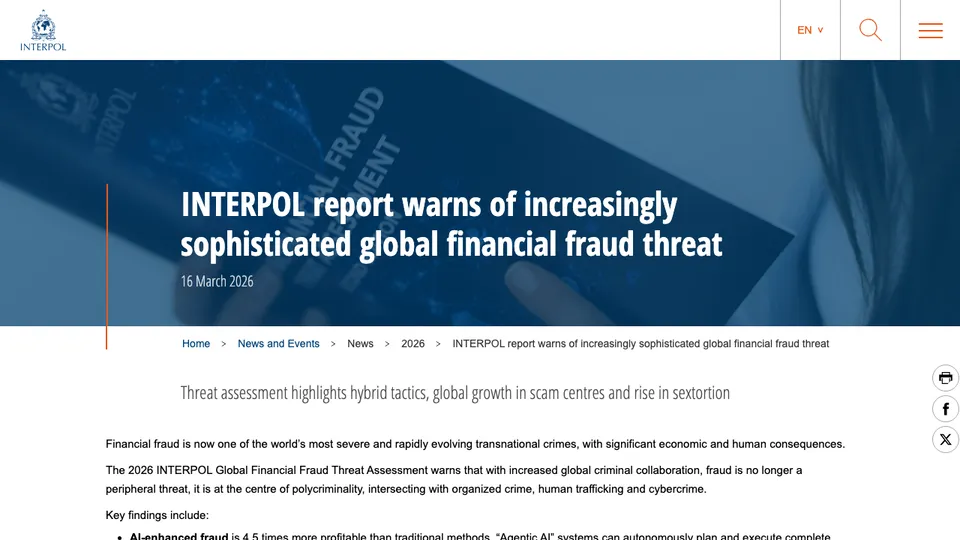
  • INTERPOL Project CASTFeb 2026 to Feb 2027

    An INTERPOL project funded by Japan, with Vietnam among the participants, that builds capacity against crypto-related financial crime through training, tracing tools and international contact points.

    View source
  • FATF 7th Targeted Update16 Jul 2026

    FATF records gaps in licensing, supervision and enforcement, and rising risks from industrial-scale fraud, stablecoins, P2P transfers through unhosted wallets, offshore VASPs and DeFi.

    View source
  • Korea Financial Services Commission11 Aug 2026

    South Korea announced that the Travel Rule will cover transfers of any size, taking effect 6 months after promulgation.

    View source

Common terms

AML/CFT

Anti-money laundering / countering the financing of terrorism

Anti-money laundering and countering the financing of terrorism: the rules and measures that require financial businesses to know their customers, monitor transactions and report suspicious activity.
Reference material

Subject
Level

Materials from the event

Looking for materials from the event? Leave your details and tell us what you would like to receive.